
Fine Art
Various artists
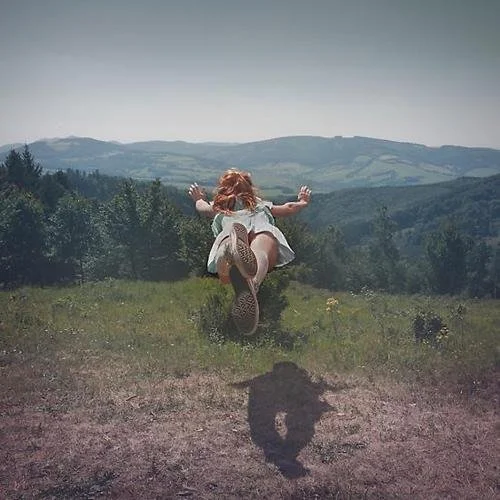
Tereza Vlckova. A Perfect Day, Elise...12. (2007). 50x50cm edition 9 of 18 signed with COA. Tereza Vlčková (b. 1983) is a celebrated contemporary photographer whose work has earned global acclaim, including the Grand Prix BMW Award (Lyon Septembre de la Photographie) and the Prix de la Photographie, Paris (Px3). Her evocative imagery is held in prominent international collections such as the Musée de l'Elysée in Lausanne and the Michaelis School of Fine Arts in Cape Town. Vlčková’s artistry is a journey beyond the material world, often exploring themes of liberation and spiritual transcendence. Her work—exhibited from the Aperture Foundation in New York to Galerie Lefebvre in Paris—is deeply rooted in the search for a "holy energy" found in nature’s heights. By capturing moments that seem to float between reality and myth, she invites the viewer to step away from consumption and dare to leap into a magical, weightless space. This unique blend of conceptual depth and ethereal aesthetics has established her as a distinctive voice in modern European photography.
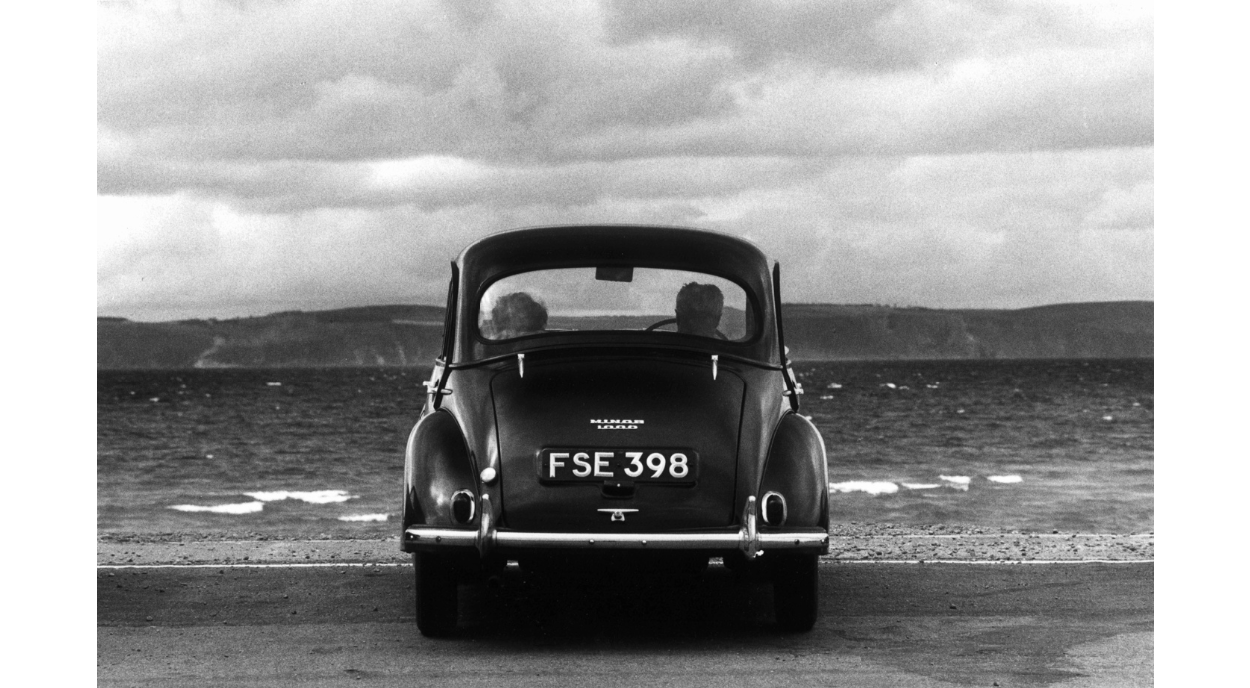
Gianni Berengo Gardin. Gran Bretagna, 1977. 30x40cm, open edition, signed. Gelatin silver print on baryta paper. Gianni Berengo Gardin (1930–2025) was a towering figure in international photography, honored with the Leica Oskar Barnack Award, the Lucie Award for Lifetime Achievement, and induction into the Leica Hall of Fame. His work is preserved in the world’s most prestigious institutions, including the MoMA in New York. Widely regarded as the "Italian Cartier-Bresson," Berengo Gardin dedicated seven decades to documenting the human condition with a rigorous, humanist eye. A master of black-and-white film and a lifelong purist, he produced over 250 books that stand as an unparalleled visual record of 20th-century history. From his iconic portrayals of Venice to his profound social reportages, his legacy remains the definitive benchmark for documentary photography.
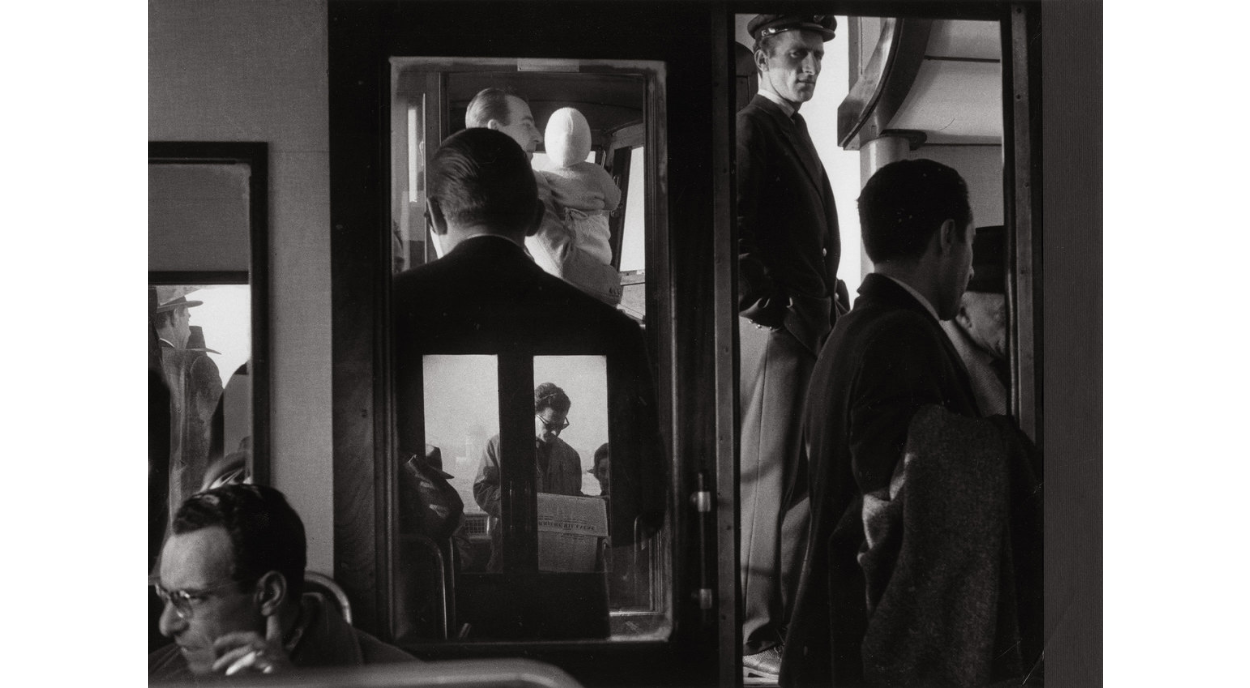
Gianni Berengo Gardin. Vaporetto, Venice, 1960. 30x40cm, open edition, signed. Gelatin silver print on baryta paper. Gianni Berengo Gardin (1930–2025) was a towering figure in international photography, honored with the Leica Oskar Barnack Award, the Lucie Award for Lifetime Achievement, and induction into the Leica Hall of Fame. His work is preserved in the world’s most prestigious institutions, including the MoMA in New York. Widely regarded as the "Italian Cartier-Bresson," Berengo Gardin dedicated seven decades to documenting the human condition with a rigorous, humanist eye. A master of black-and-white film and a lifelong purist, he produced over 250 books that stand as an unparalleled visual record of 20th-century history. From his iconic portrayals of Venice to his profound social reportages, his legacy remains the definitive benchmark for documentary photography.
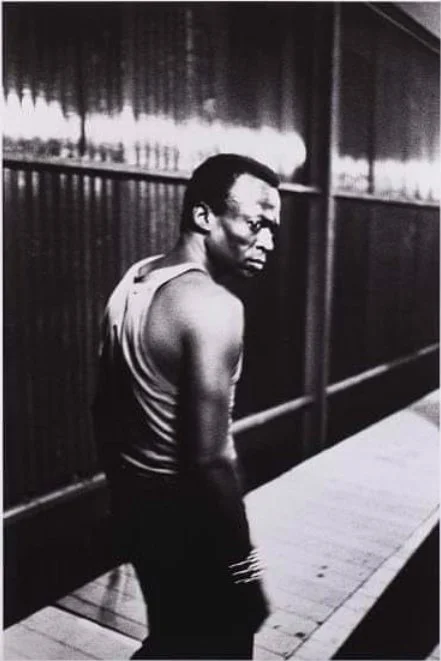
Giuseppe Pino. Miles Davis, Juan Les Pins, 1969. Open edition, signed. Gelatin silver print on baryta paper. Giuseppe Pino (1940–2022) was a master of portraiture renowned for his collaborations with Andy Warhol’s Interview magazine and his legendary documentation of the Jazz world. A prominent figure in international photography, his work bridged the gap between raw documentary soul and the sophisticated elegance of high fashion and advertising. After studying at Milan's Scuola di Fotografia della Società Umanitaria and a defining tenure at Panorama (1967–1974), Pino moved to New York City in 1973. There, he became the definitive chronicler of jazz, capturing intimate portraits of its greatest icons while immersing himself in the heart of the American avant-garde. Upon returning to Italy in the late 1980s, he successfully transitioned his sharp, psychological eye to major commercial and fashion campaigns. His legacy remains a testament to the power of the portrait as a window into the artist’s soul.
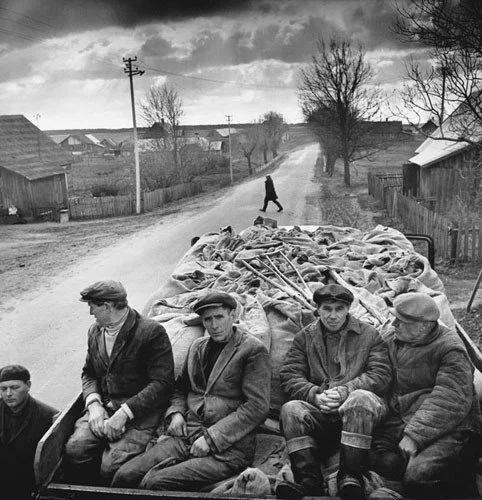
Antanas Sutkus. The Province; in Father's Cab, 1966. 29,8x29cm, open edition, signed. Gelatin silver print on baryta paper. Antanas Sutkus (b. 1939) is a titan of humanist photography, honored with the Dr. Erich Salomon Award and a grant from the Hasselblad Foundation. His profound visual legacy is preserved in the world’s leading institutions, with works held in permanent collections across New York, Paris, London, Chicago, and Zurich. A founding figure of the Lithuanian Photography Art Society, Sutkus spent his prolific career capturing the "People of Lithuania" with an unflinching yet deeply empathic lens. Operating within the constraints of the Soviet era, he moved beyond political propaganda to document the raw reality and resilient spirit of his homeland. His masterful ability to reveal universal human emotions through intimate, everyday moments has solidified his status as one of the preeminent photographers of his generation—a chronicler of cultural heritage whose work remains a definitive pillar of European photographic history.
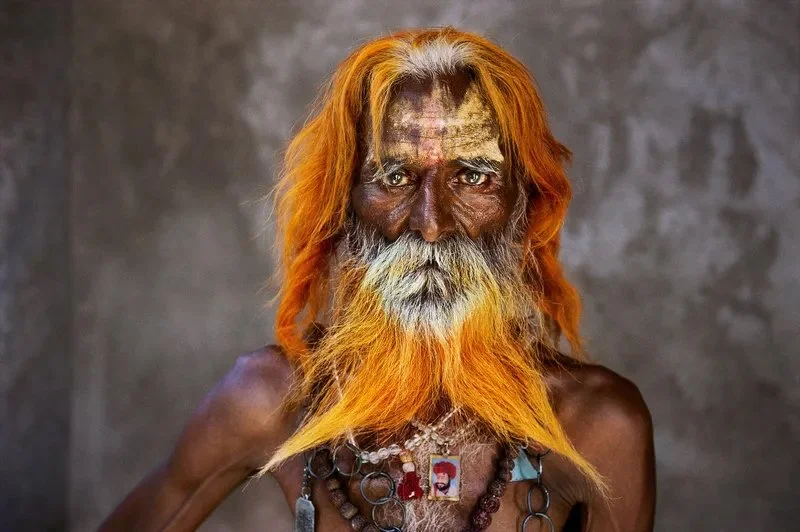
Steve McCurry. Rabari Tribal Elder, Rajasthan, India, 2010. 40 × 60 in | 101.6 × 152,4 cm. edition of 10. Signed. Fuji Crystal Archive Print. Steve McCurry defines himself primarily as a storyteller—a visual narrator driven by an insatiable curiosity for the world and its people. His lens seeks not merely formal perfection, but the story concealed behind every gaze and gesture. Through a masterful use of color and composition, McCurry transforms reportage into universal narratives capable of bridging linguistic and cultural divides. His images serve as windows into the human condition: snapshots of life that, in their immediacy, convey the profound complexity and dignity of entire cultures.
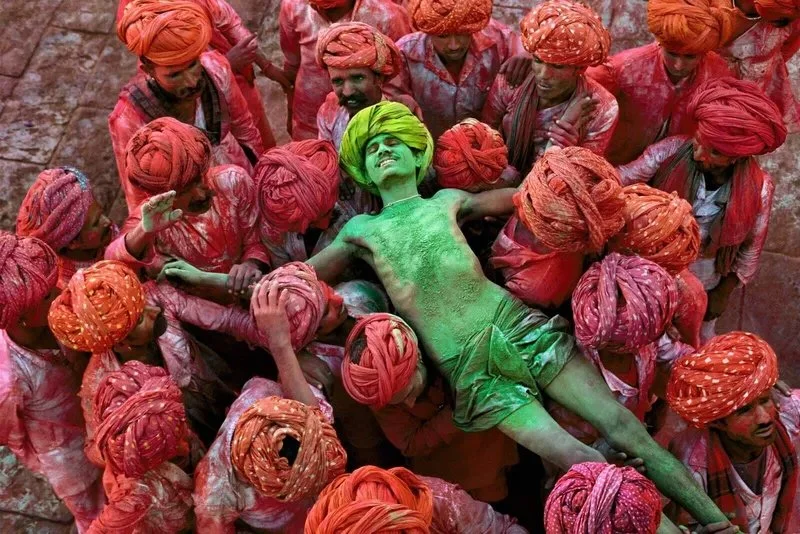
Steve McCurry. Holi Man, 1996. 40 × 60 in | 101.6 × 152,4 cm. edition of 10. Signed. Fuji Crystal Archive Print. Steve McCurry defines himself primarily as a storyteller—a visual narrator driven by an insatiable curiosity for the world and its people. His lens seeks not merely formal perfection, but the story concealed behind every gaze and gesture. Through a masterful use of color and composition, McCurry transforms reportage into universal narratives capable of bridging linguistic and cultural divides. His images serve as windows into the human condition: snapshots of life that, in their immediacy, convey the profound complexity and dignity of entire cultures.
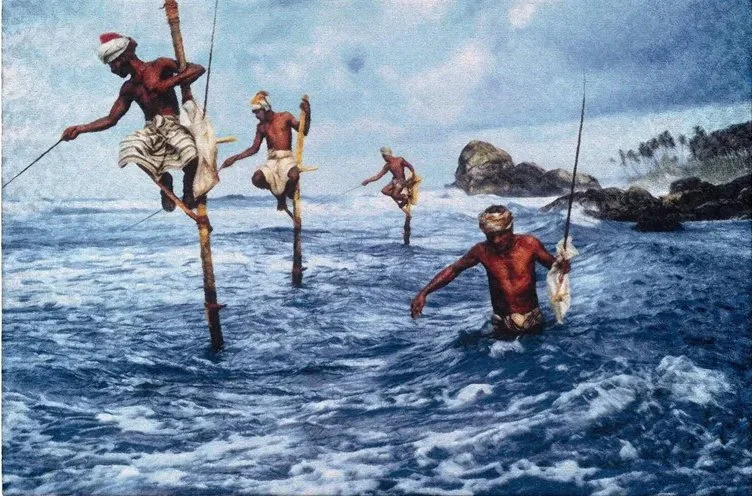
Steve McCurry. Fishermen at Weligama, Sri Lanka, 1995. 20 × 24 in | 50.8 × 61 cm. edition of 90. Signed. Fuji Crystal Archive Print. Steve McCurry defines himself primarily as a storyteller—a visual narrator driven by an insatiable curiosity for the world and its people. His lens seeks not merely formal perfection, but the story concealed behind every gaze and gesture. Through a masterful use of color and composition, McCurry transforms reportage into universal narratives capable of bridging linguistic and cultural divides. His images serve as windows into the human condition: snapshots of life that, in their immediacy, convey the profound complexity and dignity of entire cultures.
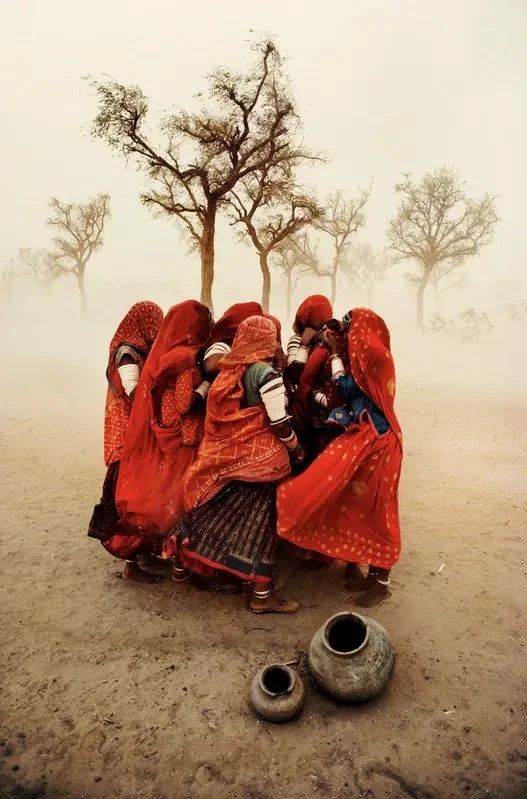
Steve McCurry. Dust Storm, Rajasthan, India, 1983. 20 × 24 in | 50.8 × 61 cm. edition of 90. Signed. Fuji Crystal Archive Print. Steve McCurry defines himself primarily as a storyteller—a visual narrator driven by an insatiable curiosity for the world and its people. His lens seeks not merely formal perfection, but the story concealed behind every gaze and gesture. Through a masterful use of color and composition, McCurry transforms reportage into universal narratives capable of bridging linguistic and cultural divides. His images serve as windows into the human condition: snapshots of life that, in their immediacy, convey the profound complexity and dignity of entire cultures.